Lorem ipsum dolor sit amet, consectetur adipiscing elit, sed do eiusmod tempor incididunt ut labore et dolore magna aliqua. Ut enim ad minim veniam



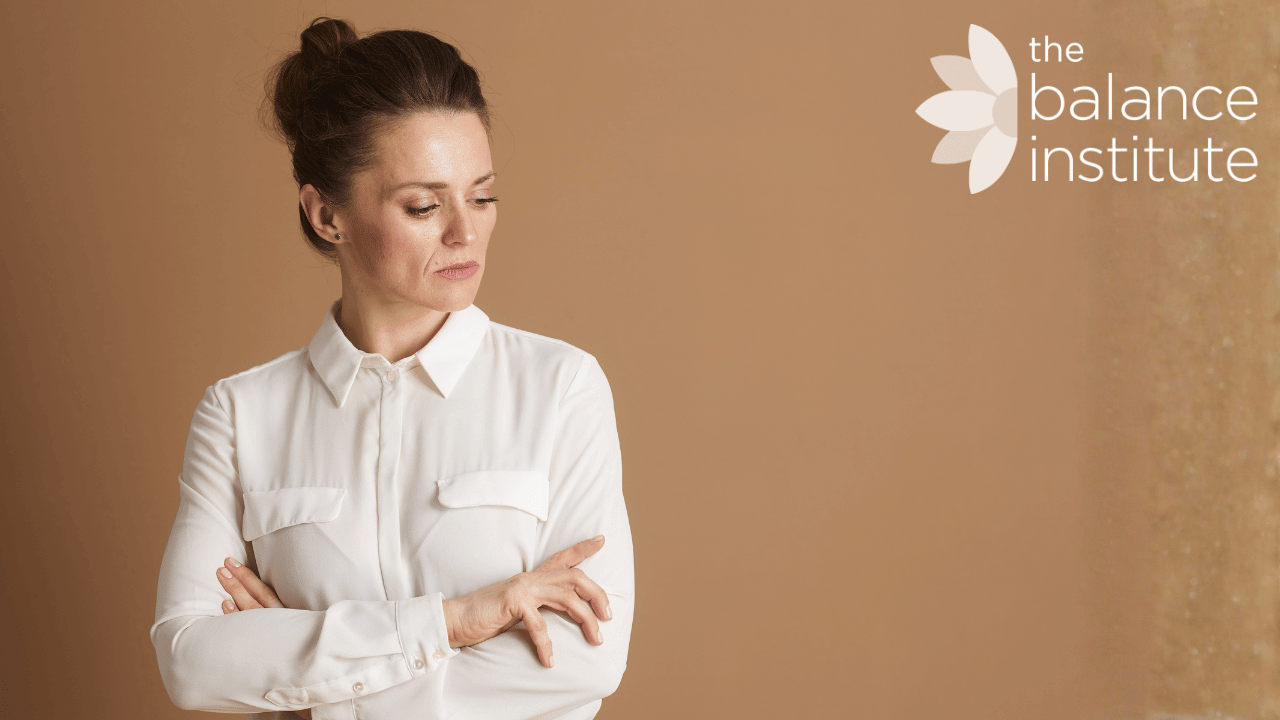
Why Successful Women Feel Like They’ve Lost Themselves
There’s a particular sentence we hear from successful women that rarely makes sense to them when they first say it:
“I don’t feel like myself anymore.”
On paper, nothing obvious is wrong.
You’re functioning.
Working.
Leading.
Parenting.
Making decisions.
Getting things done.
People still come to you because you’re capable, reliable and apparently holding everything together.
But somewhere underneath all that competence is a quieter question:
Where did I go?
You might not even know what “feeling like yourself” would look like anymore.
You know your responsibilities.
You know what your team needs.
You know what your children need.
You know what’s happening with your partner, your parents, your projects and your calendar.
But ask:
What do you want?
And suddenly the woman who has an answer for everyone else has no idea.
This is one of the hidden costs of high achievement.
You haven't necessarily lost yourself.
You may have simply spent so long becoming who everyone needed you to be that there hasn't been much room left to hear who you are now.
Why do successful women lose their sense of self?
For many high-achieving women, identity gradually becomes organised around roles and responsibilities.
Leader.
Mother.
Partner.
Daughter.
Problem-solver.
High performer.
The capable one.
The reliable one.
The person everyone depends on.
None of these roles is inherently problematic.
The problem begins when there is no meaningful identity left outside them.
If your value has become intertwined with being useful, productive, competent or needed, asking what you want can feel surprisingly difficult.
Your attention has been trained outward.
What needs doing?
Who needs me?
What could go wrong?
What am I responsible for?
What does everyone expect?
You can become incredibly successful at answering those questions while losing fluency in a much simpler one:
What do I want?
The woman who could handle everything
Competence gets rewarded.
You demonstrate that you can handle something, so you're given more.
You fix the crisis, so you're invited into the next one.
You remember everything at home, so everybody starts relying on you to remember.
You absorb pressure well, so people assume pressure doesn't affect you.
And because you're good at carrying things, nobody necessarily notices the weight.
Including you.
Eventually your capability becomes part of the family, workplace and relationship infrastructure.
You're not simply Jo, Sarah or Kate anymore.
You're the person who sorts it out.
This is the cost of competence:
The better you become at carrying everything, the easier it is for everyone — including you — to forget that you shouldn't have to.
Why “self-care” often doesn’t solve the problem
When women realise they've disappeared from their own lives, the standard advice is often to make more time for themselves.
Book the massage.
Take the weekend.
Go to yoga.
Have a bath.
Schedule a date night.
Get a hobby.
Those things can be wonderful.
But an hour of self-care cannot compensate for a life organised around self-abandonment.
You can have the massage and spend it thinking about work.
You can go away for the weekend and manage everybody from your phone.
You can take a day off while mentally carrying twelve unresolved problems.
The issue isn't simply whether you have time for yourself.
It's whether you exist inside your own decision-making.
Do your needs count?
Do your desires matter?
Can you disappoint someone without immediately abandoning yourself to restore the peace?
Can you say, “Actually, I don't want that,” without producing a legal brief explaining why?
That's a different level of work.
“I don’t even know what I want”
This can be frightening.
Especially for a woman who has always been decisive.
You can make million-dollar decisions at work and still freeze when someone asks what you want your next five years to look like.
That doesn't make you indecisive.
It may mean you've become extremely practised at making decisions according to external criteria.
What makes sense?
What is responsible?
What will keep everyone happy?
What is expected?
What is the sensible next move?
What should someone at my level do?
These questions are useful.
But they aren't the same as:
What do I want?
When that question hasn't been asked for years, don't be surprised if the answer takes time.
Why midlife can make this louder
For many women, this identity gap becomes impossible to ignore in midlife.
Responsibilities are often peaking.
You may be leading at a senior level while parenting teenagers and beginning to support ageing parents.
Your body may be changing.
Your tolerance for things you once accepted may be shrinking.
And suddenly the life you've successfully maintained starts prompting different questions.
Is this how I want to spend the next decade?
Who am I when my children need me differently?
Do I actually want the career I've worked so hard to build?
Which relationships still fit?
What am I doing because I want to — and what am I doing because I've always done it?
This can feel like a crisis.
But it can also be an invitation.
Midlife doesn't necessarily mean blowing everything up.
It can mean finally conducting an honest audit of what comes with you.
You don’t need to become your old self again
Women often say:
“I just want the old me back.”
But perhaps the goal isn't to go backwards.
The woman you were ten years ago had different circumstances, responsibilities, desires and information.
You don't need to resurrect her.
You need to meet the woman you've become.
That means allowing your identity to evolve instead of forcing yourself to continue performing an outdated version of success.
The Balance Institute perspective: come home to yourself
Feeling like yourself again isn't about becoming more selfish.
It's about becoming present in your own life.
It means noticing what you want before automatically considering what everyone else wants.
It means letting your preferences have weight.
It means understanding that being needed is not the same as being loved.
It means allowing other people to solve their own problems.
It means building enough self-trust to ask for something even when somebody might say no.
And it means accepting that your next chapter may require different rules from the ones that got you here.
You don't have to destroy the life you've built.
But you do need to exist inside it.
Frequently Asked Questions
Why do I feel like I’ve lost myself?
You may have spent years prioritising roles, responsibilities and other people's needs until your own preferences and identity received less attention. This is especially common among highly capable women whose value has become connected to being productive, reliable or needed.
Why don’t I know what I want anymore?
If you've spent years making decisions based on responsibilities, expectations and what other people need, asking what you personally want can feel unfamiliar. The answer often returns as you rebuild attention and trust in your own preferences.
Is losing your identity common in midlife?
Midlife can amplify identity questions because careers, families, bodies and relationships are changing simultaneously. Rather than automatically treating this as a crisis, it can be an opportunity to reassess how you want to live your next chapter.
Do I need to change my whole life to feel like myself again?
Not necessarily. Sometimes the most important changes involve boundaries, responsibilities, relationships and internal rules rather than dramatic external changes.
How do I start feeling like myself again?
Start by noticing where your needs disappear from your own decisions. Ask what you want, what you're carrying, what no longer fits and what you're continuing simply because you've always done it.
You are allowed to be more than useful
You can be brilliant at your job.
A loving parent.
A supportive partner.
A reliable friend.
A generous leader.
And still belong to yourself.
The goal isn't to stop caring about everybody else.
It's to stop disappearing while you do.
If you're ready to feel like yourself again without walking away from everything you've built, explore The Balance Institute's tools and programs for high-achieving women. Start here.